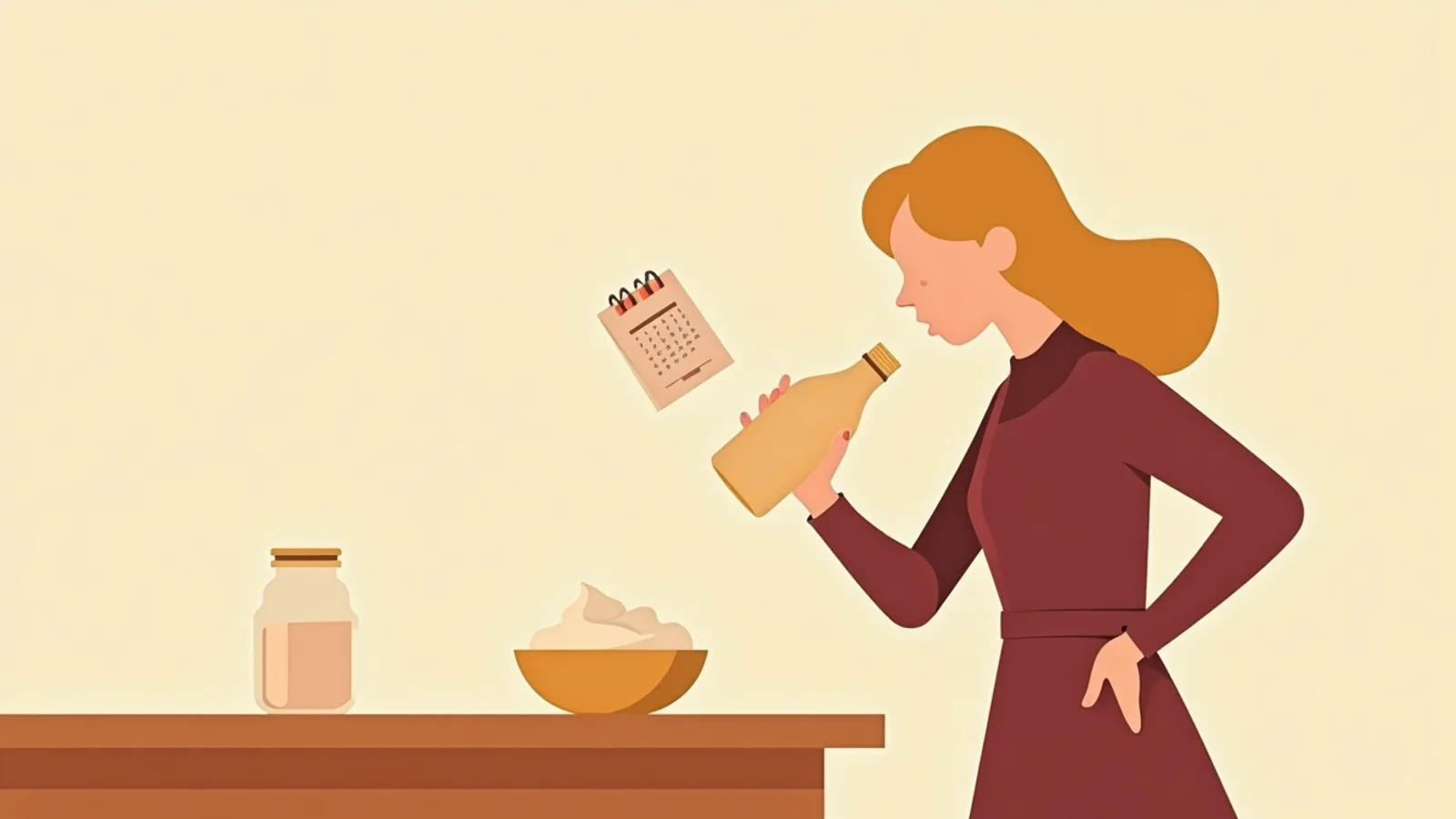
Everyone has the ritual. You take the yogurt out of the fridge, read the date, and stand there holding it — as if the number will blink first. Then you open it, sniff it, shrug, and either eat it or bin it based on a feeling you couldn’t defend in court.
Here’s the annoying truth: the date on the lid was never designed to answer the question you’re asking it. There are two different kinds of dates on your food, they mean two different things, and treating them as one is how a staggering amount of perfectly edible food ends up in the bin.
Two dates, two completely different promises
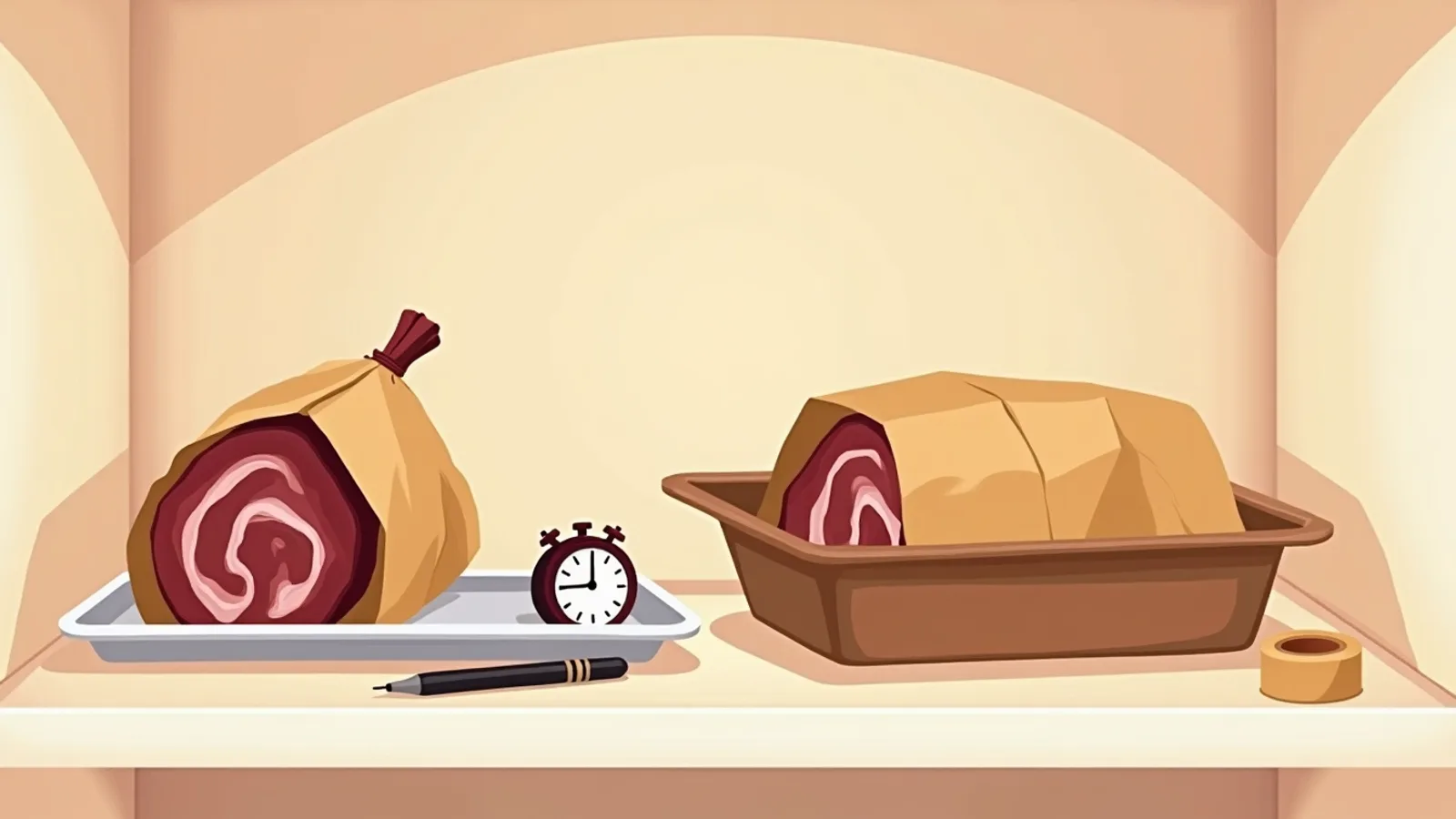
“Use by” is a safety deadline. In the EU and UK it’s a regulated claim: after this date, the manufacturer will not vouch that the food is safe, no matter how it looks or smells. It appears on the risky stuff — fresh fish, raw meat, deli slices, soft cheeses, ready meals. This is the date you respect. For the raw meat in that list there’s a second clock running underneath the label, once you’ve opened it or moved it: how long the meat actually lasts has the fridge and freezer windows per cut.
“Best before” is a pride deadline. It says: until this date, we’re proud of the texture and flavor. After it, we make no artistic promises. Crackers past best-before are slightly less crispy crackers. They are not a biohazard.
If you’re in the US, an extra wrinkle: most date labels (“sell by”, “best if used by”, “enjoy by”) aren’t federally regulated at all — they’re the manufacturer’s quality estimates, and only infant formula dating is required by law. Which makes knowing the categories even more useful than knowing the numbers.
Where the smell test actually works
The smell test has a good reputation because spoilage bacteria are loud. When milk turns, it announces itself. Sour smells, fizzy yogurt, slimy leaves, fuzzy bread — that’s spoilage, and your nose catches it reliably. For quality questions, the nose is a fine judge.
But the dangerous bacteria are the quiet ones. Listeria, salmonella and their friends produce no smell, no taste, no warning. That’s why the smell test must never overrule a use-by date on the high-risk shelf:
- deli meats and smoked fish,
- soft and blue cheeses,
- pre-washed bagged salads,
- anything pregnant-people lists warn about — same list, same reason.
And one that surprises people: cooked rice. The culprit (Bacillus cereus) survives cooking and multiplies at room temperature. Cool rice quickly, refrigerate it, eat it within a day or two, and reheat it properly hot. Rice that smells completely fine can still ruin your week.
The food that outlives its label
On the other side of the ledger, a lot of food is routinely executed while innocent:
Eggs last weeks past their date in the fridge. The float test is real physics, not folklore: the air pocket inside grows as the egg ages, so a fresh egg lies flat in water and a very old one stands up or floats. Floaters go; sinkers are fine.
Hard cheese with a spot of mold isn’t lost. Cut a generous margin around it — an inch or so — and carry on. (Soft cheese and bread are different: the mold you see there is the flag on top of a root system you can’t. Those go.)
Unopened yogurt is usually fine days past its date — it’s already fermented; souring is its whole personality. Judge it by smell and sight once opened.
Dry goods — pasta, rice, lentils, most condiments — age on a geological timescale. White bloom on chocolate is cocoa butter migrating, not mold. Stale crackers are a toaster problem, not a bin problem.
Date anxiety is a waste engine
Most estimates put household food waste at roughly a third of what we buy, and confusion over date labels is one of its most reliable engines. “When in doubt, throw it out” sounds responsible, but it quietly assumes all doubt is safety doubt.
So split the doubt instead. Ask one question: which kind of date am I looking at?
- Quality doubt (best before): open it, look, smell, taste a little. Your senses are qualified for this job.
- Safety doubt (use by, high-risk foods, mystery rice): don’t negotiate. The bin is cheaper than the alternative.
Half the trick to wasting less food isn’t cooking skill at all. It’s just knowing what’s in there and when it turns — before the date on the lid becomes a coin toss.
Holding thirty of those dates in your head is the part that doesn’t scale, which is roughly why we’re building shElf: it proposes a date when you add something and tells you before it runs out, so the question arrives while the food is still worth eating. The judgement above stays yours either way. Nothing can smell the milk for you.